


- New Visa data reveals the FIFA World Cup 26™ drove a nearly 20% surge in cross-border transactions across host cities in Canada, Mexico and the United States.
After the final whistle blew on the FIFA World Cup 2026™, millions of fans returned home with unforgettable memories and a trail of economic activity that stretched across countries. Every tap to pay left a lasting impact, as spending throughout the tournament delivered a meaningful boost to merchants and local economies across host cities in Canada, Mexico and the United States.
According to new data from Visa, the tournament drove significant growth in cross-border spending, international travel, and digital commerce across host cities. The findings show how a major global event creates “pop-up economies,” defined by Visa as temporary, highly concentrated periods of commercial activity that emerge around major cultural, entertainment and sporting events.
The data reveals that fans traveled from around the world to follow their teams, generating a surge in Visa cardholder spending across restaurants, transportation, entertainment, retail, lodging, and other sectors. From iconic host cities to emerging fan destinations, the tournament created a broad and lasting economic impact that extended well beyond stadium walls.
A Tournament of Pop-Up Economies
Visa data illustrates the scale, reach and pace of economic activity generated throughout the tournament[1]:
· Cross-border Visa transactions in FIFA World Cup 2026™ host cities increased nearly 20% year-over-year during the tournament period.
· Fans from Colombia, Puerto Rico, the United Kingdom, Argentina, and Brazil generated the highest levels of cross-border spend across host cities.
· Santa Clara/San Jose, Boston, and Miami recorded the largest increases in in-person spending from international and domestic cardholders.
· Consumers spent most heavily on transportation and entertainment, underscoring the broad economic benefit generated by tournament tourism.
· Tap to pay transactions rose nearly 12%, reflecting fans’ preference for fast, secure and seamless payment experiences while traveling.
· Ecuador v Curaçao and Colombia v Ghana, both in Kansas City, and Croatia v Ghana in Philadelphia were examples of matches that generated the highest year-over-year uplift creating significant spending spikes before, during and after kickoff.
“This was one of the most impactful FIFA World Cup™ tournaments we’ve seen to date both on and off the pitch,” said Frank Cooper III, Chief Marketing Officer of Visa. “FIFA World Cup 2026™ demonstrated how global events can create far-reaching economic value for businesses, cities and communities. For a few precious days, entire cities came alive with new visitors, new spending and new opportunities for local businesses. Through Visa’s network, we could watch those economies emerge, move from city to city and connect millions of fans with the merchants and communities hosting the world’s biggest sporting event.”
Pop-Up Economies Reached Far Beyond the Stadium
While matches took place inside stadiums, the economic impact spread throughout local communities. Restaurants, bars, retail districts, hotels, transit systems and entertainment venues all experienced increased levels of activity as fans gathered for matches and explored host cities. Several cities achieved standout performance in specific categories[1]:
· Boston led growth in year-over-year dining transactions as fans celebrated their nations in local bars and restaurants.
· Guadalajara recorded the highest transportation spending growth as fans from around the world traveled to the stadium.
· Atlanta saw strong entertainment activity tied to fan celebrations and cultural events, while New York City experienced a surge in retail spending.
These trends demonstrate how a pop-up economy distributes opportunity across an entire host market. The benefits reach businesses directly tied to the tournament and merchants serving everyday visitor needs, from neighborhood restaurants and independent retailers to hotels, transit providers and global brands.
The Tournament Moments That Moved Markets
Some of the tournament’s most memorable moments didn’t just capture attention. They sparked waves of economic activity around the world. Norway’s surprise run to the quarterfinals generated significant increases in consumer spending and transaction activity both in the country and around the world as fans rallied behind the country. In Norway, Visa transaction volumes nearly doubled during matches. Across Norway’s tournament run, increased transaction activity was recorded across a broader set of countries with each successive match, with spending eventually rising in more than 60 countries worldwide when Norway played, demonstrating how a pop-up economy can be fueled by fan passion and engagement.[2]
Moments like this show how fan attention can translate into immediate shifts in economic activity. A major matchup, an unexpected result or a deep tournament run can quickly change travel patterns, increase demand and activate a new pop-up economy in the next destination.
From tourism and local business growth to digital payment adoption, the tournament demonstrated how shared moments of passion can drive commerce at an unprecedented scale. As fans return home, Visa’s data illustrates a lasting legacy, capturing the FIFA World Cup 2026™ as more than a single global event. It was a series of interconnected pop-up economies, each created by the movement, passion and spending of fans. Together, they generated economic opportunity across host communities and demonstrated the role seamless digital payments play in helping businesses serve global demand at speed and scale.
About Visa
Visa (NYSE: V) is a world leader in digital payments, facilitating transactions between consumers, sellers, financial institutions and government entities across more than 200 countries and territories. Our mission is to connect the world through the most innovative, convenient, reliable and secure payments network, enabling individuals, businesses and economies to thrive. We believe that economies that include everyone everywhere, uplift everyone everywhere and see access as foundational to the future of money movement. Learn more at Visa.com.
[1] Source: Visa cardholder transactions over VisaNet. This data includes all Visa card-present volume in the U.S. and Canada as well as Visa card-present cross-border volume in Mexico compared against the same period in 2025. Date range for U.S. and Canada is between 6/11-7/19 while date range for Mexico is from 6/11-7/5.
[2] The analysis in the report was based on aggregated domestic spending data on the number of transactions at entertainment providers, retail goods merchants, specialty food and grocers, quick-service restaurants, full-service restaurants, bars and cafes. The lift is calculated by taking the volume of Visa transactions that occurred during a 12-hour period before and after a match started and comparing it against a comparable typical day of the week and time of day for each country included in the analysis in late May and early June before the FIFA World Cup™ started.
View source version on businesswire.com: https://www.businesswire.com/news/home/20260722891514/en/
언론연락처: Visa Inc. Comms Contact Conor Febos
이 뉴스는 기업·기관·단체가 뉴스와이어를 통해 배포한 보도자료입니다.
According to new data from Visa, the tournament drove significant growth in cross-border spending, international travel, and digital commerce across host cities. The findings show how a major global event creates “pop-up economies,” defined by Visa as temporary, highly concentrated periods of commercial activity that emerge around major cultural, entertainment and sporting events.
The data reveals that fans traveled from around the world to follow their teams, generating a surge in Visa cardholder spending across restaurants, transportation, entertainment, retail, lodging, and other sectors. From iconic host cities to emerging fan destinations, the tournament created a broad and lasting economic impact that extended well beyond stadium walls.
A Tournament of Pop-Up Economies
Visa data illustrates the scale, reach and pace of economic activity generated throughout the tournament[1]:
· Cross-border Visa transactions in FIFA World Cup 2026™ host cities increased nearly 20% year-over-year during the tournament period.
· Fans from Colombia, Puerto Rico, the United Kingdom, Argentina, and Brazil generated the highest levels of cross-border spend across host cities.
· Santa Clara/San Jose, Boston, and Miami recorded the largest increases in in-person spending from international and domestic cardholders.
· Consumers spent most heavily on transportation and entertainment, underscoring the broad economic benefit generated by tournament tourism.
· Tap to pay transactions rose nearly 12%, reflecting fans’ preference for fast, secure and seamless payment experiences while traveling.
· Ecuador v Curaçao and Colombia v Ghana, both in Kansas City, and Croatia v Ghana in Philadelphia were examples of matches that generated the highest year-over-year uplift creating significant spending spikes before, during and after kickoff.
“This was one of the most impactful FIFA World Cup™ tournaments we’ve seen to date both on and off the pitch,” said Frank Cooper III, Chief Marketing Officer of Visa. “FIFA World Cup 2026™ demonstrated how global events can create far-reaching economic value for businesses, cities and communities. For a few precious days, entire cities came alive with new visitors, new spending and new opportunities for local businesses. Through Visa’s network, we could watch those economies emerge, move from city to city and connect millions of fans with the merchants and communities hosting the world’s biggest sporting event.”
Pop-Up Economies Reached Far Beyond the Stadium
While matches took place inside stadiums, the economic impact spread throughout local communities. Restaurants, bars, retail districts, hotels, transit systems and entertainment venues all experienced increased levels of activity as fans gathered for matches and explored host cities. Several cities achieved standout performance in specific categories[1]:
· Boston led growth in year-over-year dining transactions as fans celebrated their nations in local bars and restaurants.
· Guadalajara recorded the highest transportation spending growth as fans from around the world traveled to the stadium.
· Atlanta saw strong entertainment activity tied to fan celebrations and cultural events, while New York City experienced a surge in retail spending.
These trends demonstrate how a pop-up economy distributes opportunity across an entire host market. The benefits reach businesses directly tied to the tournament and merchants serving everyday visitor needs, from neighborhood restaurants and independent retailers to hotels, transit providers and global brands.
The Tournament Moments That Moved Markets
Some of the tournament’s most memorable moments didn’t just capture attention. They sparked waves of economic activity around the world. Norway’s surprise run to the quarterfinals generated significant increases in consumer spending and transaction activity both in the country and around the world as fans rallied behind the country. In Norway, Visa transaction volumes nearly doubled during matches. Across Norway’s tournament run, increased transaction activity was recorded across a broader set of countries with each successive match, with spending eventually rising in more than 60 countries worldwide when Norway played, demonstrating how a pop-up economy can be fueled by fan passion and engagement.[2]
Moments like this show how fan attention can translate into immediate shifts in economic activity. A major matchup, an unexpected result or a deep tournament run can quickly change travel patterns, increase demand and activate a new pop-up economy in the next destination.
From tourism and local business growth to digital payment adoption, the tournament demonstrated how shared moments of passion can drive commerce at an unprecedented scale. As fans return home, Visa’s data illustrates a lasting legacy, capturing the FIFA World Cup 2026™ as more than a single global event. It was a series of interconnected pop-up economies, each created by the movement, passion and spending of fans. Together, they generated economic opportunity across host communities and demonstrated the role seamless digital payments play in helping businesses serve global demand at speed and scale.
About Visa
Visa (NYSE: V) is a world leader in digital payments, facilitating transactions between consumers, sellers, financial institutions and government entities across more than 200 countries and territories. Our mission is to connect the world through the most innovative, convenient, reliable and secure payments network, enabling individuals, businesses and economies to thrive. We believe that economies that include everyone everywhere, uplift everyone everywhere and see access as foundational to the future of money movement. Learn more at Visa.com.
[1] Source: Visa cardholder transactions over VisaNet. This data includes all Visa card-present volume in the U.S. and Canada as well as Visa card-present cross-border volume in Mexico compared against the same period in 2025. Date range for U.S. and Canada is between 6/11-7/19 while date range for Mexico is from 6/11-7/5.
[2] The analysis in the report was based on aggregated domestic spending data on the number of transactions at entertainment providers, retail goods merchants, specialty food and grocers, quick-service restaurants, full-service restaurants, bars and cafes. The lift is calculated by taking the volume of Visa transactions that occurred during a 12-hour period before and after a match started and comparing it against a comparable typical day of the week and time of day for each country included in the analysis in late May and early June before the FIFA World Cup™ started.
View source version on businesswire.com: https://www.businesswire.com/news/home/20260722891514/en/
언론연락처: Visa Inc. Comms Contact Conor Febos
이 뉴스는 기업·기관·단체가 뉴스와이어를 통해 배포한 보도자료입니다.
ⓒ 주식회사 에이아이크리에이티브랩 & www.aifilmjournal.com 무단전재-재배포금지
BEST 뉴스
-

Esri to Debut the Power of Where Collection at 2026 Esri User Conference
Esri (https://www.esri.com/en-us/what-is-gis/overview), the global leader in location intelligence, will debut the Power of Where Collection (https://powerofwhere.com/?aduc=Public_Relations&aduca=2026-MUL-Esri_Press_Books&aduco=press-release&adum=Press_Release&adut=pow-series&... -
Statement on Terminating the Letter of Intent With AI Financial Corporation
Statement from Matthew Nicoletti, Chief Strategy Officer, Perpetuals.com (Nasdaq: PDC), on the proposed transaction with AI Financial Corporation. “Perpetuals has decided not to further pursue the acquisition of AI Financial Corporation’s subsidiary Alt5 Sigma Canada, Inc. and the earlier letter... -
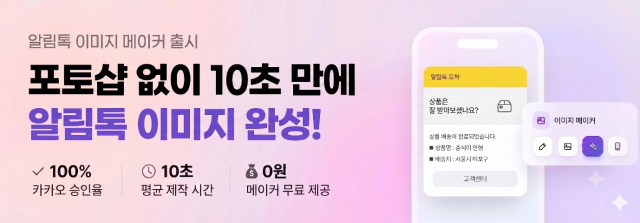
디자인 툴 필요없다… 비즈뿌리오, 알림톡 전용 ‘이미지 메이커’ 출시
비즈뿌리오 ‘이미지 메이커’ 기능 출시 기업 메시징 서비스 비즈뿌리오를 운영하는 다우기술(대표 김윤덕)은 카카오톡 알림톡에 포함되는 이미지를 손쉽게 완성할 수 있는 ‘이미지 메이커’ 기능을 지난 1일 출시했다고 밝혔다. 최근 카카오톡 알림톡은 단순 텍스트 형태를 넘어 브랜드 로... -
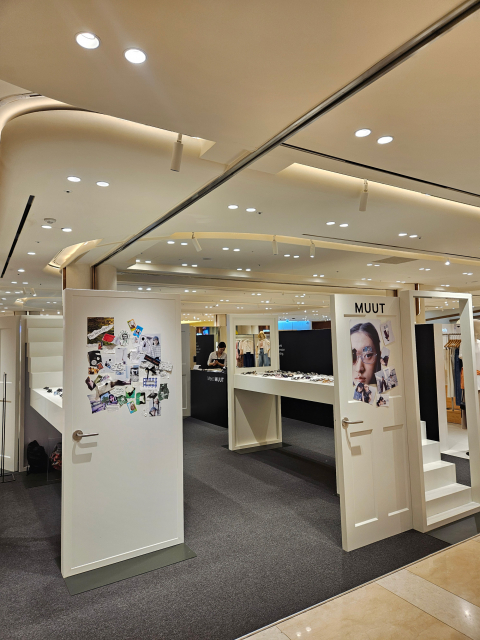
MUUT, 신세계 강남점 입성… 롯데 잠실 이어 팝업 확대
신세계 강남 MUUT 팝업 전경 패션 아이웨어 브랜드 뭍(MUUT)이 7월 9일부터 22일까지 신세계백화점 강남점 5층 팝업 스테이지에서 팝업 스토어를 운영한다. 이번 팝업은 MUUT의 다양한 아이웨어 제품과 브랜드가 제안하는 스타일을 직접 경험할 수 있는 공간으로 꾸며졌다. 롯데월드몰 잠... -
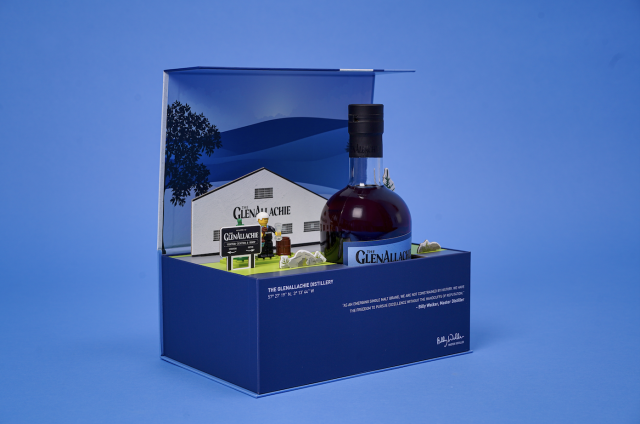
글렌알라키 ‘15년 컬렉터스 에디션 PART I’으로 JPM 어워즈 금상 수상
글렌알라키 15년 컬렉터스 에디션 파트 1 프리미엄 주류 수입 유통사 메타베브코리아는 자사의 대표 싱글몰트 위스키 브랜드인 글렌알라키의 한정판 패키지 ‘글렌알라키 15년 컬렉터스 에디션 PART I’이 일본 마케팅 업계 최고 권위의 시상식인 ‘제54회 Japan Promotional Marketing Award... -
소비자는 부담 덜고, 어가는 판로 확대… GS더프레시 ‘ESG 장어덮밥’ 출시
GS리테일이 운영하는 슈퍼마켓 GS더프레시는 국내산 민물장어 소비 촉진을 위해 ‘국내산 통한마리장어덮밥’을 출시한다고 14일 밝혔다. 이번 상품은 GS더프레시가 한국어촌어항공단, 해양수산부와 함께 추진하는 ‘Co:어촌 프로젝트’ 일환으로 기획됐다. Co:어촌 프로젝트는 기업의 상품 개발·유통 역량과 국내 어가의 ...
전체댓글 0
NEWS TOP 5
-
1
Statement on Terminating the Letter of Intent With AI Financial Corporation
-
2
퍼페추얼스닷컴, AI 파이낸셜 코퍼레이션과 의향서 해지 성명 발표
-
3
Cover Genius Raises USD $100M Backed by Vista Credit Partners, Reaching USD $1.9 Billion Valuation as it Advances AI-First Platform and Global Expansion
-
4
쿠콘, 국민연금공단 공공신탁 사업에 금융 인프라 공급

-
5
한국씨티은행, 디 에셋 선정 ‘한국 최우수 글로벌 수탁기관’ 2년 연속 수상
실시간뉴스
추천뉴스

포토뉴스
more +-
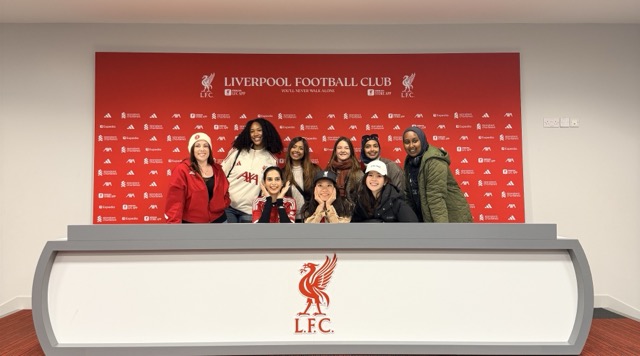
노매드헐, 일본항공과 손잡고 리버풀 FC 우먼 경기에서 여성 스포츠 임파워먼트 축하 행사 개최
전 세계 60만 글로벌 여성 여행자 커뮤니티 앱 노매드헐(NomadHer)이 일본항공(Japan Airlines, 이하 JAL)과 공식 파트너십을 맺고 여성 스포츠의 활기찬 정신을 기념하는 특별 협업 프로젝트를 진행했다고 밝혔다. 이번 협업을 통해 노매드헐 커뮤니티 회원들이 한자리에 모여 리버풀 FC 우먼(... -

KYMF대한민국청소년미디어대전, 9월 18일까지 작품 공모
시립청소년미디어센터는 국내 최대 규모의 청소년 미디어 축제인 ‘2026 제26회 KYMF대한민국청소년미디어대전’(이하 미디어대전)의 작품을 오는 8월 1일부터 9월 18일 오후 6시까지 공식 누리집(https://kymf.ssro.net)을 통해 공모한다. 서울특별시가 주최하고 시립청소년미디어센터가 주관하... -

라이온코리아, 여름철 빨래 냄새 특화 ‘비트 몬스터 팟 10X냄새케어’ 이마트서 1+1 행사
건강한 생활 습관을 만드는 기업 라이온코리아가 고온다습한 날씨로 실내건조가 많아지는 여름철을 맞아, 전국 이마트에서 하이브리드 캡슐세제 ‘비트 몬스터 팟 10X냄새케어’의 1+1 행사를 진행한다. 라이온코리아는 실내건조에 특화된 ‘비트 몬스터 팟 10X냄새케어’의 접근성을 높이고 소비자... -
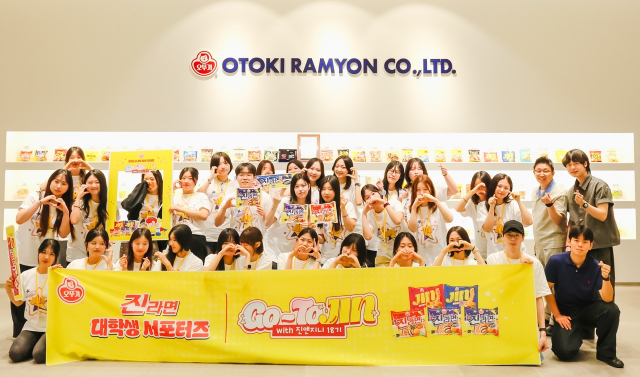
이너스커뮤니티, 오뚜기 진라면 서포터즈 ‘진앤지니’ 18기 발대식 성료… 12년째 이어온 ‘팬덤’ 마케팅
하이브리드 브랜딩 기업 이너스커뮤니티(INUSCommunity)가 기획·운영하는 오뚜기 대학생 진라면 서포터즈 ‘진앤지니’ 18기가 지난 7월 6일 오뚜기라면 공장에서 발대식을 열고 공식 활동을 시작했다. ‘진앤지니’는 2012년 첫 기수를 시작으로 올해 18기를 맞은 국내 대표 장수 서포터즈 프로그...